How to Grow Your Business with Data-Driven Results
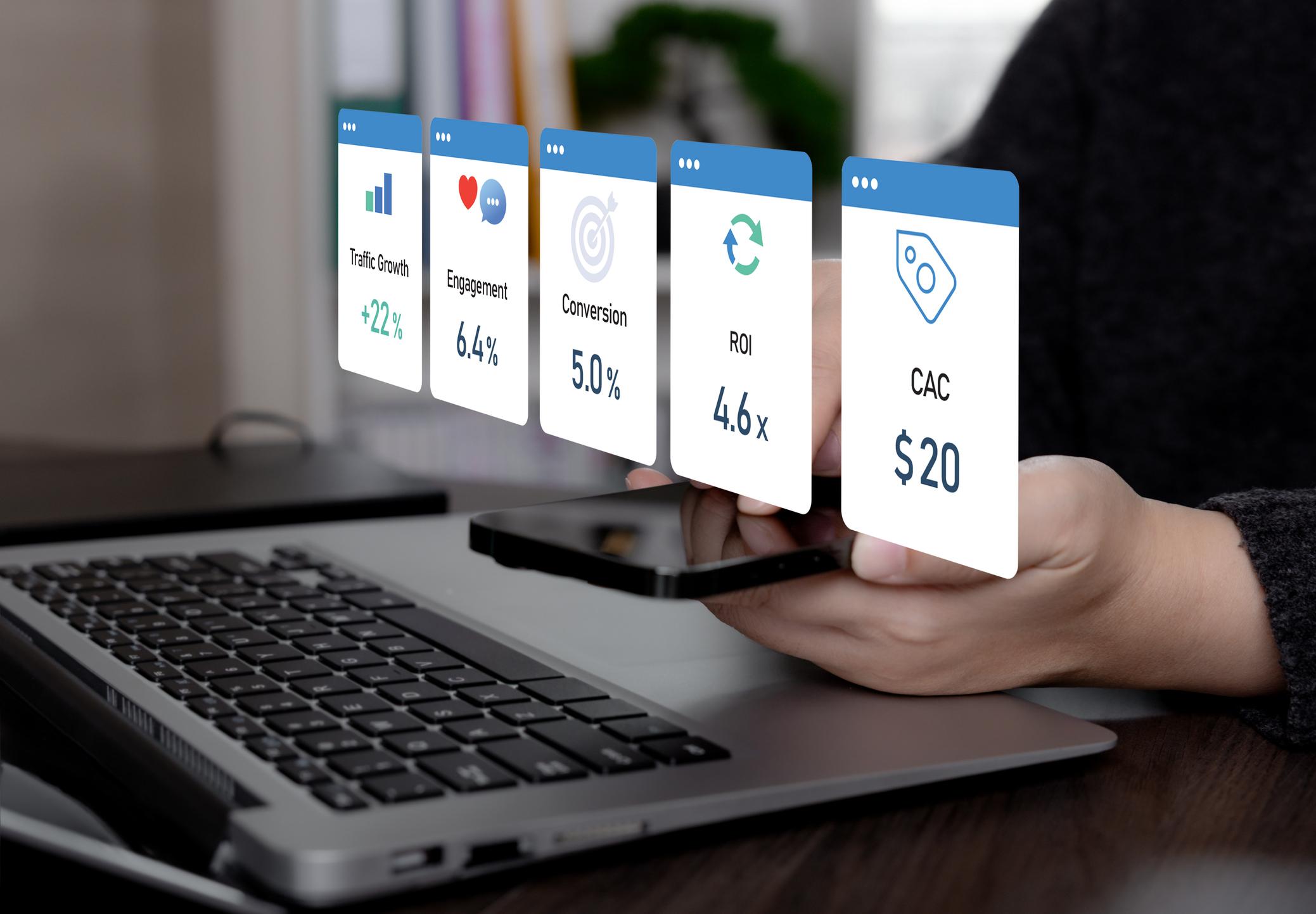
In today’s competitive digital world, businesses need marketing strategies that deliver measurable results. This is where performance marketing becomes essential. Unlike traditional marketing, performance marketing focuses on real outcomes such as clicks, leads, conversions, and sales. Because every campaign is tracked and optimized, businesses can maximize their return on investment and scale faster.
Whether you’re running an eCommerce store, service-based business, or startup, performance marketing helps you grow efficiently and make smarter marketing decisions.
What is Performance Marketing?
Performance marketing is a digital marketing strategy where businesses pay only for measurable results. These results may include website visits, leads, app downloads, or product purchases.
Common performance marketing channels include:
- Google Ads
- Social Media Ads
- Search Engine Marketing (SEM)
- Affiliate Marketing
- Email Marketing
- Display Advertising
Because performance marketing focuses on measurable results, businesses can easily track what works and optimize campaigns for better performance.
Why Performance Marketing is Important
Performance marketing provides businesses with better control over their advertising budget and results. Instead of guessing, you make decisions based on real data.
Benefits of performance marketing:
- Measurable ROI
- Better audience targeting
- Faster business growth
- Budget control
- Real-time optimization
Additionally, businesses can scale campaigns that perform well and stop those that don’t.
Key Performance Marketing Channels
1. Search Engine Marketing (Google Ads)
Search engine marketing helps businesses appear when users search for products or services. Therefore, Google Ads is one of the most effective performance marketing channels.
Benefits include:
- High purchase intent traffic
- Quick visibility
- Measurable conversions
- Flexible budgeting
As a result, businesses can generate leads quickly.
2. Social Media Advertising
Social media platforms provide powerful targeting options. Businesses can target users based on interests, behavior, location, and demographics.
Popular platforms include:
- Facebook Ads
- Instagram Ads
- LinkedIn Ads
- TikTok Ads
- YouTube Ads
Additionally, social media ads help build brand awareness and drive conversions.
3. Affiliate Marketing
Affiliate marketing allows businesses to partner with publishers and influencers who promote products in exchange for commissions.
Benefits:
- Pay only for results
- Expand audience reach
- Increase brand visibility
- Low risk marketing
As a result, affiliate marketing becomes cost-effective.
4. Email Marketing
Email marketing remains one of the highest-performing channels. Businesses use email campaigns to nurture leads and drive repeat sales.
Common email campaigns:
- Welcome emails
- Promotional offers
- Abandoned cart emails
- Product launches
- Loyalty rewards
Additionally, automated emails save time and improve engagement.
Important Performance Marketing Metrics
Tracking performance is essential for success. Key metrics include:
- Conversion Rate
- Cost Per Click (CPC)
- Return on Ad Spend (ROAS)
- Click Through Rate (CTR)
- Cost Per Acquisition (CPA)
Because these metrics provide insights, businesses can optimize campaigns effectively.
How to Create a Performance Marketing Strategy
Step 1: Define Your Goals
Start by identifying your objectives:
- Increase sales
- Generate leads
- Drive traffic
- Build brand awareness
Clear goals help measure success.
Step 2: Identify Your Target Audience
Understanding your audience improves campaign performance.
Target by:
- Age
- Location
- Interests
- Behavior
- Purchase intent
Better targeting improves conversions.
Step 3: Choose the Right Channels
Select marketing channels based on business goals.
Example:
- eCommerce → Google Ads + Social Ads
- Service business → Google Ads + LinkedIn
- Brand awareness → Social Media Ads
Step 4: Optimize Landing Pages
Landing pages must be optimized for conversions.
Important elements:
- Clear headline
- Strong call-to-action
- Fast loading speed
- Mobile-friendly design
- Trust signals
Optimized landing pages improve results.
Performance Marketing for eCommerce Businesses
Performance marketing works especially well for eCommerce stores. Businesses can promote products directly and track purchases.
Best strategies:
- Retargeting ads
- Product ads
- Shopping campaigns
- Dynamic ads
- Conversion tracking
As a result, businesses increase online sales.
Common Performance Marketing Mistakes
Avoid these mistakes:
- Not tracking conversions
- Poor targeting
- Slow landing pages
- Weak ad creatives
- Ignoring analytics
Additionally, regular optimization improves performance.
Final Thoughts
Performance marketing helps businesses grow faster with measurable results. By using data-driven strategies, businesses can increase traffic, generate leads, and boost sales effectively.
Start implementing performance marketing today and scale your business with smarter marketing decisions.